

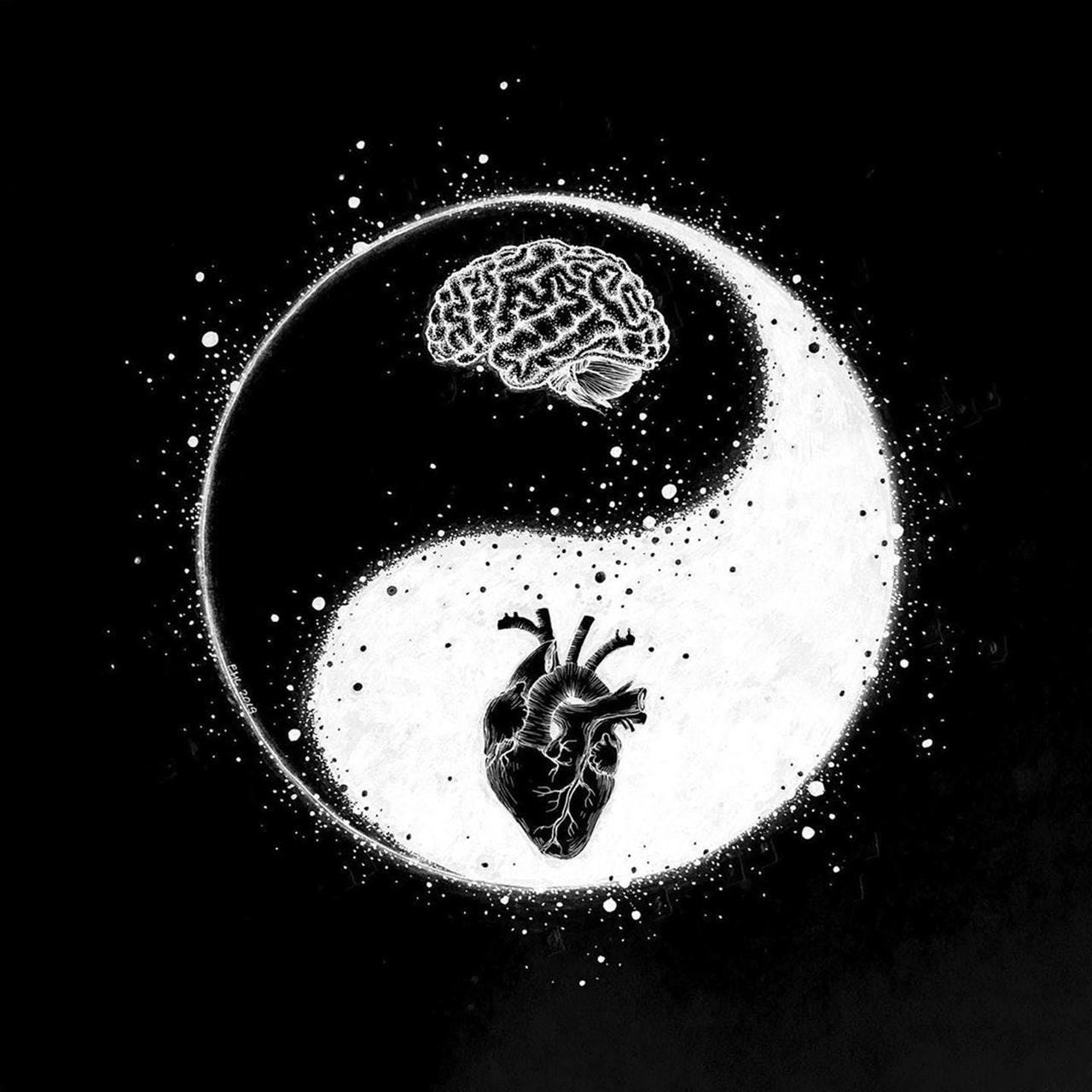
"The only business of the head in the world
is to bow a ceaseless obeisance to the heart."
~ William Butler Yeats
Imagine a colony of ants swept into a flood, instinctively linking their bodies to form a living raft. Each ant sacrifices for the collective, ensuring the survival of all. Now, picture humankind, armed with staggering intellect, crafting nuclear bombs capable of erasing life itself. Which species is truly intelligent? The ants, with their selfless cooperation, or humans, whose technological prowess often lacks the wisdom to prioritize collective well-being? This paradox lies at the heart of our crisis: a dogmatic ideology called scientism, which cloaks itself in the authority of science while behaving like the rigid religious cults it claims to oppose.
Scientism - reductionist, materialist, intellectualism - has become a modern dogma, wielding “science” as a cudgel to silence dissent and justify authoritarianism. It fuels an information war where truth is buried under junk science, eroding trust and confusing the public. Worst of all, it perpetuates a myth of human superiority while ignoring the ethical implications of our most destructive inventions. It's time we challenge scientism’s cult-like grip, expose its harms, and propose a path to reintegrate science with humility, transparency, sound reason, and heart wisdom.
The Cult of Scientism: Dogma in a Lab Coat
Scientism is not science. Science is a method - curious, iterative, open to challenge. Scientism is a worldview that deifies science as the sole arbiter of truth, dismissing emotions, ethics, or spiritual insights as inferior. This form of intellectual hubris is dangerous. Like a religious cult, it exhibits troubling traits: infallibility, elitism, and exclusion. It treats scientific consensus as gospel, elevates scientists as priests of truth, and marginalizes holistic perspectives as “unscientific.” Question the narrative, say, on medical mandates violating bodily autonomy, and you’re branded “anti-science,” a heretic excommunicated from rational discourse.
This dogma mirrors the authoritarian paternalism of religious institutions of the past. Just as the Church once silenced Galileo for challenging geocentrism, scientism vilifies skeptics who question pro-industry narratives. The “anti-science” trope is not a defense of reason but a lazy tactic to suppress debate, especially when monied interests co-opt science and pervert it to “$¢I€N¢€™” and distort the truth for profit. The scientific community, once a beacon of inquiry, has been corrupted by these forces, as evidenced by alarming confessions from its own gatekeepers.
In 2009, Marcia Angell, former editor of The New England Journal of Medicine, declared:
“It is simply no longer possible to believe much of the clinical research that is published, or to rely on the judgment of trusted physicians or authoritative medical guidelines. I take no pleasure in this conclusion, which I reached slowly and reluctantly over my two decades as editor.”
Six years later, Richard Horton, editor of The Lancet, echoed her:
“The case against science is straightforward: much of the scientific literature, perhaps half, may simply be untrue.” These are not fringe voices but insiders exposing a systemic rot: peer-reviewed studies, often touted as gold standards, are riddled with bias, manipulation, and industry influence.

The Harm of Hubris: Bombs, Broken Trust, and Buried Truth
Scientism’s hubris fuels a myth of human superiority, yet our actions betray a profound lack of wisdom. Ants cooperate to survive; humans are toying with our genome and engaging in Gain of Function research that kills people, and builds nuclear arsenals that threaten all biological lifeforms. This is not intelligence but an extreme form of retardation- a disconnect between technological might and ethical grounding through conscious awareness. Our inventions devastate ecosystems, pollute the air, water, and soil, and erode the very foundations of biological life. If intelligence is measured by outcomes, ants outshine us in their harmony with nature.
The societal toll is equally grim. Monied interests, (like pharmaceutical giants, fossil fuel companies, and agribusiness), warp science to serve profit. Studies are cherry-picked, data is manipulated, and dissenting voices are silenced. Doctors and researchers who challenge pro-industry narratives often find their papers rejected by prestigious journals, not for lack of rigor but for threatening the status quo. As Angell and Horton revealed, the peer-review process, meant to ensure quality, has become a gatekeeping tool to protect vested interests. The result? A scientific community behaving immorally and unethically, tainted by funding sources that prioritize profit over Truth.
This corruption fuels an information war where junk science overwhelms the public. Contradictory studies on nutrition, vaccines, or climate flood the media, amplified by sensationalist headlines and algorithmic echo chambers. Consumers, drowning in noise, grow skeptical, not of science itself but of the institutions claiming its mantle. The “anti-science” label is weaponized to dismiss valid concerns, particularly when authoritarian policies (e.g., medical mandates) infringe on bodily autonomy. Skepticism of corrupted systems is not anti-science; it’s pro-reason, a demand for the transparency and rigor that true science requires.
Addressing the "Information War"

We’ve heard time and time again that we are in the midst of wars. We are now in other types of wars beyond the tangible physical battlefield where soldiers go to use the latest weaponry of guns, bombs, tanks, lasers, and missiles. Whether it is a cyber war, cultural war, war on information, war on “disinformation,” a war against “fake news,” or a war on…
The information war is no accident. It’s a deliberate strategy to confuse and control. Monied interests fund studies that downplay risks - whether pharmaceutical side effects or environmental harm, while burying research that threatens their bottom line. Social media and traditional media, driven by clicks and agendas, amplify this chaos. A study claiming “eggs cause heart disease” is followed by another proclaiming “eggs are a superfood,” leaving the public exasperated. As Horton noted, perhaps half of the published research may be untrue, a statistic that exemplifies the scale of this crisis of subterfuge and intentional manipulation.
The “anti-science” trope thrives in this environment, painting skeptics as irrational while shielding corrupt institutions from scrutiny. Yet history shows that skeptics often drive progress. The discovery that bacteria, not stress, cause ulcers was initially dismissed as heretical; lobotomies were once “settled science.” Questioning pro-industry narratives - whether on vaccine safety or climate policy - is not a rejection of science but a defense of its core principle: doubt.
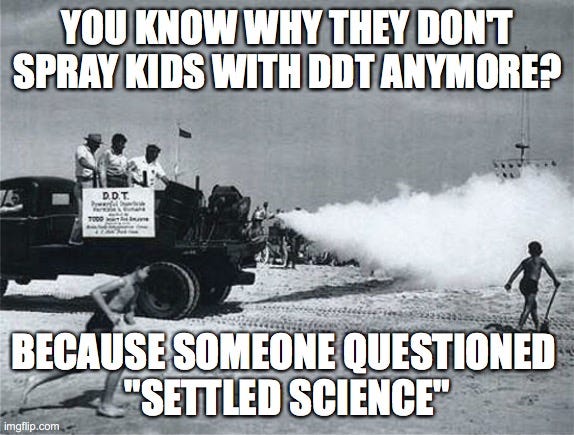
Reclaiming Science By Tempering Intellectualism with Heart Wisdom
To dismantle Scientism’s dogma and restore trust, we must reintegrate science with heart wisdom: empathy, ethics, and respect for interconnected systems. Here are practical steps to achieve this:
Transparency in Research: Demand public access to raw data and mandatory disclosure of funding sources. Journals must prioritize independent studies over industry-backed ones. The Cochrane Collaboration’s rigorous, transparent reviews offer a model.
Decentralized Science: Support citizen science and independent platforms like ResearchGate to democratize knowledge. Blockchain-based systems could ensure tamper-proof data sharing, reducing reliance on corruptible institutions.
Media Literacy: Educate the public to evaluate sources critically—check primary studies on PubMed, recognize biased headlines, and avoid echo chambers. Tools like Ground News, which reveal how outlets frame stories, can help.
Holistic Integration: Combine scientific rigor with heart wisdom. Indigenous practices, like fire management that prevents wildfires, show how traditional knowledge aligns with ecological science. Biomimicry, inspired by nature’s designs (like ants’ rafts), offers another path.
Community Engagement: Create local science forums where citizens and experts collaborate on issues like public health or environmental policy. Participatory models, like budgeting for research funding, not only fosters inclusivity and trust, but allows for a loop system, where feedback from experience also informs the data.
Above all, we need a cultural shift toward humility. Science is not infallible; it’s a tool, limited by human flaws. By valuing diverse ways of knowing: emotional intelligence, spiritual insights, and indigenous wisdom, we can temper Scientism’s arrogance and align science with humanity’s well-being.
A New Path Forward
Scientism’s hubris has led us astray, cloaking corruption in the guise of progress. It has eroded trust, fueled division, and buried truth in an information war. Yet we are not doomed to repeat this cycle. By rejecting the “anti-science” trope and embracing skepticism as scientific, we can reclaim science as a force for good. By integrating heart wisdom, we can ensure it serves life, not profit or power.
Let’s learn from the ants, whose quiet cooperation outshines our loudest bombs. Let’s demand transparency, foster independent inquiry, and rebuild trust through open dialogue. The path forward is clear: a science grounded in humility, guided by ethics, and enriched by the wisdom of the heart. Join me in this vision- a world where we don’t just survive but thrive, together.
The Power of Numbers

We’re born into a human world with social structures and hierarchies that existed before we did, and we are taught to believe and participate in them as if they have always been there, and that we are powerless to change them. Like cattle, who have numbers stamped into their ears, we are given a number at birth—not unlike a brand -almost as if each pers…
Like my content?
Support my work with Ko-Fi