

For too long, unchecked war profiteering has enriched a select group of people while desecrating life: human, animal, and environmental. From the horrors of Vietnam, Cambodia, Korea, and countless countries in South America, Africa, and the Middle East, to the ongoing genocide and ecocide in Ukraine and Palestine, the cost of war is measured in lives lost, ecosystems obliterated, and futures stolen.
War is no longer just a clash between peoples due to different religious, ethnic, or state ideologies; it has evolved into a full-blown industry created, controlled, and perpetuated directly by conglomerates that behave like a machine operated by humans turned into mindless automatons, fueled by profit and leaving a trail of human and ecological devastation.
Yet there is hope in resistance, in the courage of peace advocates, and in bold policies that prioritize the sanctity of life over corporate greed and geopolitical interests.
Today, I'm sharing a vision for change, inspired by my work as an impact producer and digital strategist for documentaries that explore the costs of war, from my educational experience minoring in Global Peace Studies with Ann Fagan Ginger, professor emeritus of the Meiklejohn Civil Liberties Institute (rest in power), and my ongoing efforts to confront the war machine through policy and storytelling.
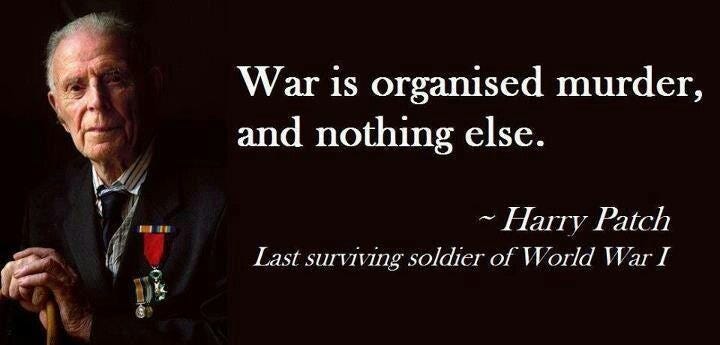
The True Cost of War Profiteering
With untempered greed comes untold evil. The definition of evil is to cause harm. The evil of pestilence profiteering was brought to the fore during the recent pandemic, which has led many to question the validity and utility of the entire allopathic industry. However, the modus operandi used to run this operation bears the same signature as another form of profiteering that preceded it: war profiteering.
War profiteering is, hands down, one of the most evil social constructs in existence today. Economic systems have arisen that thrive on our misery, death, and destruction. The "forever war economy" churns through willing soldiers, unwilling soldiers, and innocent lives alike. Its armaments, through technological innovation, desecrate the sanctity of life far beyond the time of active conflict. Furthermore, its unscrupulous methods violate every person's inherent right to privacy, life, and liberty under the guise of security, making us all far less safe than many presently realize, especially when this power is wielded by psychopaths or sociopaths, power or money hungry self-seekers, and ideological zealots.
As Ann Fagan Ginger documented about the World Court’s Opinion that "Nuclear Weapons Are Illegal," the entire framework of modern warfare operates outside the bounds of international law.1 Ginger's legal analysis demonstrates that nuclear weapons violate fundamental principles of international humanitarian law, including the prohibition against weapons that cause unnecessary suffering and those incapable of distinguishing between civilian and military targets. The justices were unanimous that all nation states have a duty to disarm them, but none of them have done so. By the very nature of these arms, every nation state with them is in violation of international law. One would think, such a blatant disregard for the law, would disqualify them from veto powers in the Security Council. Instead, they hold the world hostage, and these same countries, claim moral authority in their decision to bomb other countries to stop nuclear arms proliferation.
The Unsuspecting Who Feed Into It and Who Suffer Because of It
But it's not just the misanthropic, the eugenicists, or militant religious extremists we must worry about. It's also ordinary citizens who follow orders without question, those earning a living within this megalith, and taxpayers whose life's work is being extorted to fund this machinery of destruction.
From the unsuspecting who fund it to those who earn a living within industries that profit only through weapons manufacturing and delivery, many fail to see the interconnected problem and how the issues of our time link back to the root cause of profiteering itself. When Congress borrows money against future generations to fund arms deals, the consequences manifest in increased homelessness, inflation that destroys economic stability, unaffordable housing for middle America, and rescinded funding for social upliftment. We are witnessing in real time the decay of civilization itself while the greedy enrich themselves at everyone else's expense.
The Audit That Never Came
Despite mounting costs and concerns, the military industrial complex operates with remarkably little financial oversight. Even military leaders have called for comprehensive audits of defense spending. General Dwight D. Eisenhower famously warned of the "military industrial complex" in his farewell address, and more recently, military officials have echoed these concerns about fiscal responsibility.2 However, proper comprehensive audits of the Pentagon's sprawling budget (now exceeding $800 billion annually) remain elusive, with the Department of Defense repeatedly failing its financial audits while facing no meaningful consequences.3
At a fundamental level, there is nothing heroic or glorious in taking life. Soldiers are psychologically affected by their wartime experiences, as my uncle exemplified: a member of the 101st Airborne during Vietnam who struggled with anger, trauma, and cancer from Agent Orange exposure. In college, I read, “The Things They Carried”, and it helped me relate to him one rare day he decided to visit our family never to be seen again.
From Societies to Ecosystems: The Environmental Costs
Companies like Lockheed Martin, Boeing, and Raytheon rake in billions annually from weapons contracts with little oversight, while the human and environmental toll mounts over decades. According to Responsible Statecraft, missiles cost $2 million each,4 and each can only be used once. The Pentagon, the world's largest institutional consumer of oil, lays waste to the environment with drones and bombs that devastate not just communities but entire ecosystems.
The human cost is staggering: millions of lives (soldiers, civilians, children) have been lost to conflicts driven by profit motives disguised as national security. But there's a cost many fail to consider: Nature suffers too, from the scorched earth of Gaza to the irradiated soils of Ukraine.
In Vietnam, Agent Orange not only poisoned land and people but led to the rise of chemical conglomerates like Monsanto, which have altered our food supply, rendered soil toxic, created Superfund sites, and monopolized industrialized agriculture. That entire enterprise was born from war.
In Iraq and Afghanistan, depleted uranium left lasting environmental scars. Throughout Asia, landmines have maimed wildlife, including elephants who have lost limbs to these hidden weapons.5 In Cambodia, orangutans and other primates continue to fall victim to unexploded ordnance decades after conflicts ended. African elephants in Angola and Mozambique still encounter landmines from civil wars, while in the Balkans, brown bears and wolves navigate landscapes still littered with unexploded devices.
Today, we witness ecocide unfolding in real time. Russia's invasion of Ukraine has obliterated forests, polluted rivers, killed dolphins through sonar, and displaced countless pets and wildlife. Military activities have contaminated water sources that sustain both human communities and diverse ecosystems, affecting species from migratory birds to freshwater fish populations.
Similarly, in Palestine, Israel's actions have razed agricultural lands, obliterated olive groves and food forests, poisoned aquifers, and erased entire ecosystems. These acts of ecocide are not simply "collateral damage" but deliberate assaults on the ecosystems that sustain all life.
For example, in this aerial footage, see every green dot? Those are trees. They are a lifeform that has nothing whatsoever to do with the conflict.
Before:

After:
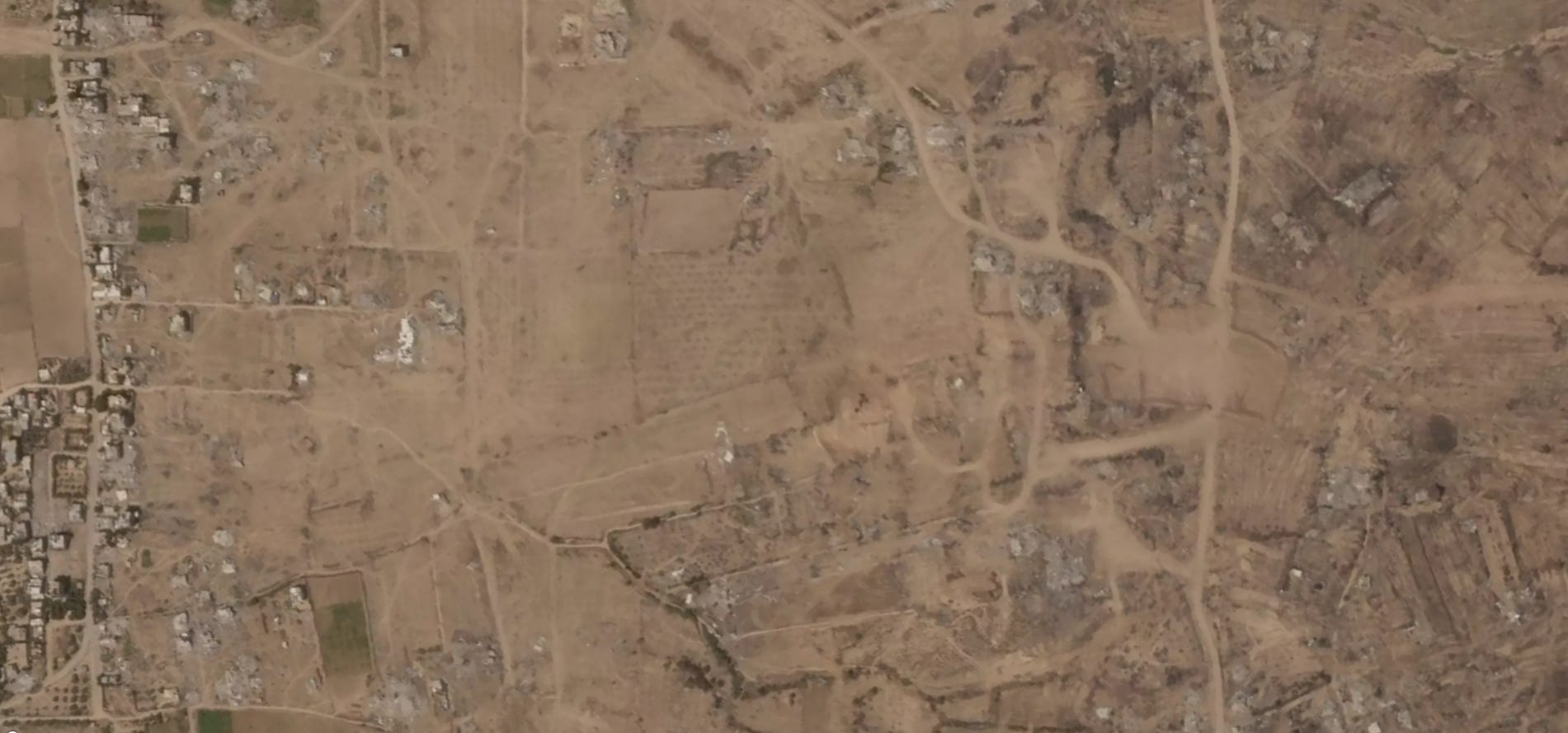
The targeted destruction of trees, each a lifeform unrelated to human conflict, eliminates not only food sources for people but entire habitats supporting birds, butterflies, bees, and countless woodland creatures that thrive in agricultural landscapes.
While millions watch in horror at the destruction of innocent civilian life, there is more death and devastation beyond what appears on our social media feeds. As witnesses, we are in deep mourning, not just for the obvious casualties of war, but for the deliberate assaults on the sanctity of life itself. For laying waste to life to this extent is an abomination.
This is why we must act! Not just to merely make social media posts mourning the losses, claiming we are all powerless to stop it, because we are not powerless. Those responsible for producing this manifestation are most all of us. We do have the power to dismantle the systems that perpetuate these horrendous manifestations to begin with. And there is a roadmap to shift our collective trajectory, by addressing the problem head on: targeting the profit motives and profiteering itself.
A Vision for Peace: Policies for the People
In my “Policies for the People” proposal, “Addressing Unchecked War Profiteering,” I’ve outlined three concrete steps to confront war profiteering and foster a culture of peace:
1. Enact Excess Profits Taxes: Corporations profiting from war must be held accountable. An excess profits tax would target companies that inflate prices or secure bloated contracts during conflicts, redirecting those funds to rebuild communities, restore ecosystems, and support veterans. This proposal is rooted in historical precedent. During World Wars I & II, excess profits taxes were enacted specifically to curb war profiteering. We need a modern version to rein in today’s war machine to break the cycle of greed that fuels endless wars.
2. Conscientious Objector Status on Tax Returns: Every taxpayer should have the right to opt out of funding war. By allowing conscientious objector status on tax returns, we could redirect a portion of our tax dollars away from military spending and toward peace-building initiatives, such as education, healthcare, and environmental restoration. This policy honors the moral and religious convictions of those who refuse to bankroll destruction, affirming our right to divest from war.
The National Campaign for a Peace Tax Fund has been advocating for this right since 1971, working to establish legal recognition for conscientious objectors to military taxation.6
3. Create a Department of Peace: Imagine a federal agency dedicated to preventing conflict, promoting diplomacy, and fostering nonviolent solutions. A Department of Peace could prioritize conflict resolution, support grassroots peace movements, and invest in rebuilding societies torn apart by war. It would be a bold step toward redefining national security as the protection of life, not the proliferation of death.
Let us endeavor to embody the wisdom of our forebears and reclaim once more, our religious freedom and right to not participate in war as conscientious objectors, ensuring that profit motives no longer drive any forever war economies.
We stand at the precipice of a moral imperative rooted in the belief that life, in all its forms, is sacred. We must challenge the war machine’s stranglehold on our economy, our values, and our planet.

Paying the Price for Peace: A Story of Courage
The film Paying the Price for Peace: The Story of S. Brian Willson is a testament to the power of resistance. As Impact Producer and Digital Strategist, I was honored to help share S. Brian Willson's story: a Vietnam War veteran who, after witnessing the horrors of U.S. policy firsthand, became a lifelong peace activist. In 1987, Brian was run over by a train while protesting arms shipments to Central America, losing both legs but not his resolve. The film, now freely available on YouTube, features interviews with Ron Kovic, Martin Sheen, Phil Donahue, President Daniel Ortega, and many others, alongside activists from Veterans for Peace, Code Pink, School of the Americas Watch, and World Beyond War.
Brian's story intertwines with others who've paid a price for peace. Charles Liteky, a Vietnam War hero turned conscientious objector, returned his Medal of Honor to protest U.S. militarism. Whistleblowers like Chelsea Manning during the Iraq War and Daniel Ellsberg during the Vietnam War exposed war crimes (Ellsberg through the Pentagon Papers), facing imprisonment for their courage. These stories remind us that peace advocacy often requires costly stands against systems profiting from untold suffering and destruction.
Organizations like Veterans for Peace, Code Pink, School of the Americas Watch, and World Beyond War carry this legacy forward. Veterans for Peace, founded in 1985, draws on members' experiences to expose war's true costs, from opposing U.S. bombings in Iran to advocating for Palestinian rights. Code Pink's bold, women-led activism confronts the war machine with creative protests. School of the Americas Watch challenges U.S.-backed violence in Latin America, while World Beyond War pushes for global disarmament and making wars obsolete altogether. Together, they embody a collective refusal to accept war as inevitable.
Ecocide and the Sanctity of Life
War's devastation extends beyond human lives to our planet's very fabric. In a new film project, The Beauty of Your Earth, where I serve as Digital Strategist, filmmakers Cate O'Brien and Marius van Graan explore the ecocide in Ukraine, where Russia's invasion has caused catastrophic environmental damage: bombed oil depots leaking toxins, destroyed habitats, contaminated farmland, and killed dolphins in the Baltic Sea.
As someone who holds the sanctity of life as a core value, I see these tragedies as a call to action. War profiteering doesn't just kill people; it kills the planet. It desecrates the sacred bond between humanity and nature. For those of us with religious or moral convictions, divesting from this cycle of destruction is not just a right but a duty. We must reject the lie that war is necessary and demand systems that prioritize life over profit.
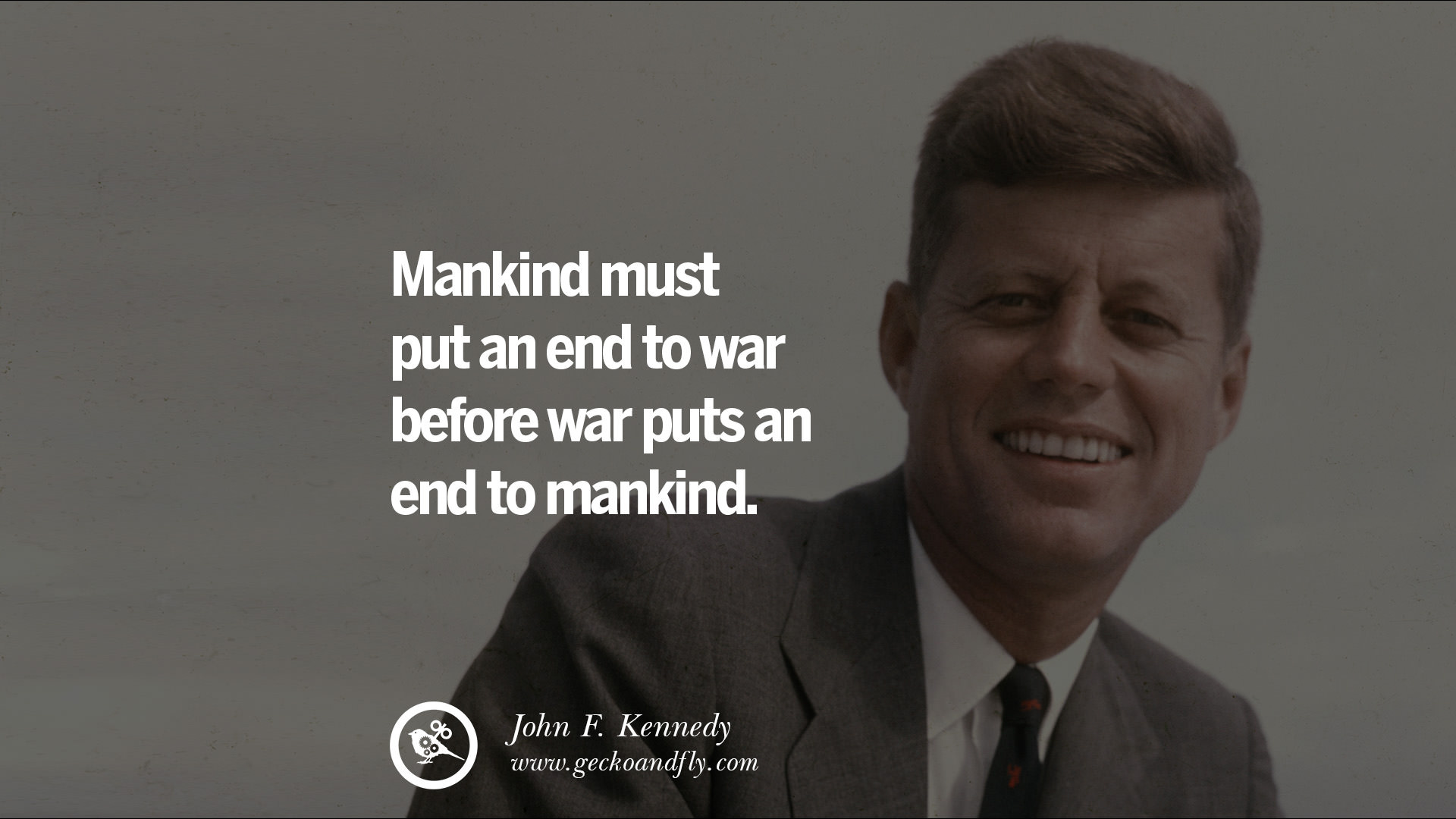
A Call to Action
The war machine thrives because we’ve allowed it to, but we have the power to change that. Watch Paying the Price for Peace on YouTube to witness the courage of those who’ve stood against it. Support organizations like Veterans for Peace, and World Beyond War. Advocate for an excess profits tax, conscientious objector status on tax returns, and a Department of Peace.
WanttoKnow.info, a news information service of the nonprofit organization, Public Education & Empowerment Resource Service (PEERS) shared an important film about transforming the War Machine...
Here's how you can act:
Immediate Actions:
Watch "Paying the Price for Peace" on YouTube to witness the courage of those who've stood against the war machine
Share this article to spread awareness
Support organizations like Veterans for Peace and World Beyond War
Keep an eye out for the new film on ecocide in Ukraine
Systemic Change:
Advocate for an excess profits tax on war profiteers
Support the National Campaign for a Peace Tax Fund for conscientious objector status on tax returns
Contact congressional representatives about creating a Department of Peace
Join World Beyond War to connect with the global peace movement
Personal Commitment:
Write about peace and why it's important
Comment below with your thoughts on how we can divest from war and protect the sanctity of life
Join the movement for peace in your community
Together, we can dismantle the war machine and build a world where peace, justice, and the sanctity of life prevail. The cost of inaction is too great: human lives, ecosystems, and our shared future hang in the balance.
Let's choose life.
In principle, I will never charge a subscription fee, or limit comments only to paid subscribers.
If you appreciate what I’m publishing, consider contributing as a thank you, to keep me going and support my work with Ko-Fi.
Sources and Further Learning:
Films:
Paying the Price for Peace: The Story of S. Brian Willson A powerful story of a Vietnam veteran turned peace activist who lost his legs protesting arms shipments | Available on: YouTube (Free)
The Beauty of Your Earth Environmental destruction through warfare and militarism
War is a Racket Based on Marine General Smedley Butler's expose of war profiteering
The Fog of War (2003) Errol Morris's documentary featuring Robert McNamara | Available on: Netflix, Amazon Prime, Apple TV
Classic Documentaries
Hearts and Minds (1974) Academy Award winner examining the Vietnam War | Available on: Criterion Channel, Amazon Prime
The War at Home (1979) Academy Award winner about Vietnam War protests in Madison, Wisconsin | Available on: Kanopy, various streaming platforms
Winter Soldier (1972) Vietnam veterans testifying about war crimes | Available on: Kanopy, special screenings
Modern War Profiteering & Military Industrial Complex
Why We Fight (2005) Eugene Jarecki's examination of Eisenhower's military-industrial complex warning | Available on: Amazon Prime, Tubi, Kanopy
The Corporation (2003) Includes segments on war profiteering and corporate power | Available on: Tubi, Kanopy, Amazon Prime
Fahrenheit 9/11 (2004) Michael Moore's critique of the Bush administration and Iraq War | Available on: Amazon Prime, Apple TV
No End in Sight (2007) Iraq War planning failures and consequences | Available on: Amazon Prime, Kanopy
Dirty Wars (2013) Jeremy Scahill's investigation into America's expanding covert wars | Available on: Netflix, Amazon Prime, Hulu
Human Cost & Veteran Stories
Born on the Fourth of July (Documentary versions) Various documentaries about Ron Kovic's story
The Invisible War (2012) Sexual assault in the U.S. military | Available on: Netflix, Amazon Prime
Thank You for Your Service (2015) PTSD and veteran suicide crisis | Available on: Amazon Prime, Hulu
Semper Fi: Always Faithful (2011) Marines poisoned by contaminated water at Camp Lejeune | Available on: Netflix, Amazon Prime
Whistleblowers & Truth-Tellers
The Most Dangerous Man in America: Daniel Ellsberg and the Pentagon Papers (2009) Academy Award nominated documentary | Available on: Amazon Prime, Kanopy
We Steal Secrets: The Story of WikiLeaks (2013) Alex Gibney documentary about Julian Assange and Chelsea Manning | Available on: Netflix, Amazon Prime
Official Secrets (2019) dramatized, based on Katharine Gun's whistleblowing | Available on: Amazon Prime, Hulu
International Perspectives
The Act of Killing (2012) Indonesian mass killings, war crimes | Available on: Kanopy, Amazon Prime
The Look of Silence (2014) Joshua Oppenheimer's follow-up to The Act of Killing | Available on: Amazon Prime, Kanopy
5 Broken Cameras (2011) Palestinian perspective on Israeli occupation | Available on: Netflix, Amazon Prime
For Sama (2019) Syrian conflict from a mother's perspective | Available on: PBS, Amazon Prime
Recent Conflicts
They Shall Not Grow Old (2018) Peter Jackson's WWI documentary using restored footage | Available on: HBO Max, Amazon Prime
Restrepo (2010) Afghanistan War combat documentary | Available on: Netflix, Amazon Prime
Korengal (2014) Follow-up to Restrepo | Available on: Netflix, Amazon Prime
Hell on Earth: The Fall of Syria and the Rise of ISIS (2017) National Geographic documentary | Available on: Disney+, Amazon Prime
Corporate War Machine
The Pentagon Wars (1998) HBO film about military procurement waste | Available on: HBO Max, Amazon Prime
Eisenhower's Warning (2005) About the military-industrial complex
Peace Movement Documentaries
A Force More Powerful (2000) Nonviolent resistance movements throughout history | Available on: Amazon Prime, educational platforms
Bringing Down a Dictator (2002) Serbian nonviolent revolution | Available on: Educational streaming platforms
The Power of Forgiveness (2007) Alternatives to cycles of violence | Available on: Amazon Prime, spiritual/educational platforms
Additional Sources:
Organizations:
Veterans for Peace: www.veteransforpeace.org
World Beyond War: worldbeyondwar.org
CounterPunch: "Give Peace a Chance: Don't Believe the War Profiteers"
WanttoKnow.info: Public Education & Empowerment Resource Service (PEERS)
School of the Americas Watch: https://soaw.org/home
Code Pink: https://www.codepink.org/
Ginger, Ann Fagan. Nuclear Weapons Are Illegal: The Historic Opinion of the World Court and How It Will Be Enforced. Apex Press, 1998.
Eisenhower, Dwight D. "Farewell Address." January 17, 1961. National Archives.
Government Accountability Office. "DOD Financial Management: Widespread Material Weaknesses Continue to Impede DOD's Ability to Prepare Reliable Financial Statements." GAO Reports, 2023.
Responsible Statecraft. "The True Cost of Missiles: Navy Spending Under Scrutiny"
One Green Planet. "Elephant Who Lost Her Leg to a Land Mine"
National Campaign for a Peace Tax Fund: www.peacetaxfund.org